Picking the Ideal Custom Home Builder: Important Factors to Keep in Mind
Identifying the most suitable custom home construction professional is a significant decision that can profoundly shape the trajectory of a home project. Multiple aspects, such as the construction professional's experience, standing, and communication style, hold significant importance. Grasping your personal vision and needs is equally critical. As aspiring homeowners consider these elements, they must also examine design flexibility and cost transparency. Each aspect warrants detailed assessment, inspiring an investigation of what really establishes a home builder the ideal choice.
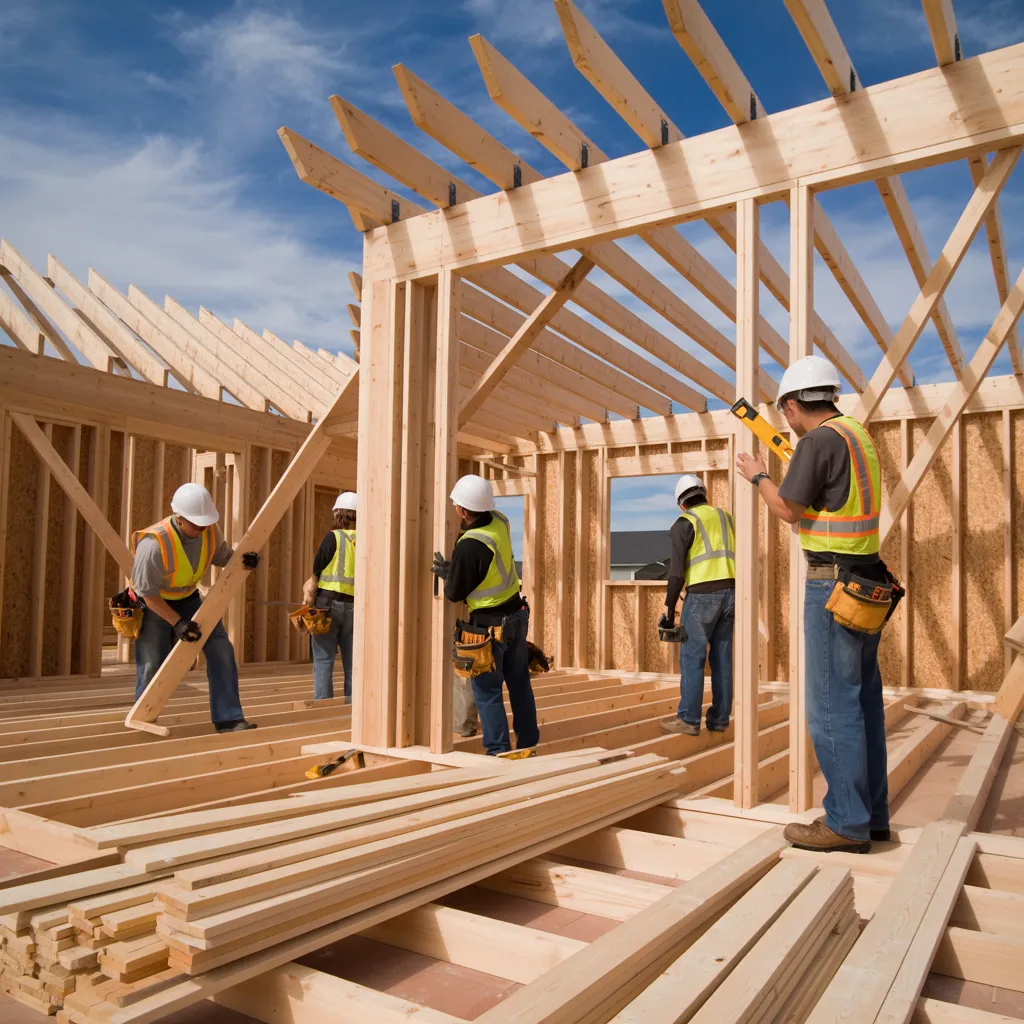
Exploring Builder Experience and Reputation
When choosing a custom homebuilder, investigating their experience and reputation is crucial. A builder's history of work can provide valuable insights into their trustworthiness and quality of work. Prospective homeowners should look for builders with a record of completed projects that match their chosen design and quality expectations. Checking online reviews and testimonials can reveal the experiences of previous clients, identifying key strengths and areas for improvement.
Moreover, it is worthwhile to validate any professional certifications or memberships, as these often indicate a commitment to professional standards. Engaging with local real estate agents or visiting completed homes can also offer perspectives on a builder's craftsmanship. Obtaining facts about how long a contractor has operated can further strengthen your assessment, as extended operation often indicates consistency and proficiency. In summary, careful examination of a contractor's history and credentials establishes a strong basis for a fulfilling home construction process.
Understanding Your Vision and Needs
How can homeowners best express their vision and needs when beginning a custom home project? Being precise and clear is vital. It is important for homeowners to first establish their lifestyle requirements, such as family size, daily routines, and future plans. Having this fundamental knowledge aids in shaping the overall design and function of the home. Tools such as inspiration boards or sketches can further help in communicating particular design preferences, spanning architectural designs to color selections.
Furthermore, specifying financial limitations allows contractors to deliver feasible choices without undermining the property owner's expectations. Ongoing evaluation on key objectives guarantees that the construction effort keeps pace with evolving needs. Initiating candid exchanges with all stakeholders can help sharpen plans, guaranteeing all perspectives are incorporated. At its core, a precisely communicated blueprint operates as a foundational roadmap, allowing construction professionals to transform abstract ideas into physical structures while fostering a unified effort during the construction process.
How to Gauge Builder Communication and Teamwork?
Clear communication and collaboration are critical factors when choosing a custom home builder. Examining prompt response rates, studying communication methods, and observing collaborative team behaviors can reveal important details about a builder's operational performance. By concentrating on important resource these critical factors, clients can more confidently identify whether a builder is the right fit for their construction goals.
Initial Response Time
Effective communication functions as a critical marker of a builder's expertise and collaborative approach. When evaluating custom home builders, potential clients should carefully observe early response times. A contractor who quickly responds to questions demonstrates respect for the client's time and shows readiness to engage in the project. Fast response times typically signal an efficiently managed team that places customer care at the forefront. However, communication delays can suggest possible concerns within the contractor's business practices, including insufficient personnel or ineffective organizational strategies. Potential clients should carefully monitor response rates during preliminary engagements, because this delivers important information about the contractor's working style and consistency throughout the building experience.
Communication Style Assessment
What methods can clients use to assess a builder's communication style and teamwork? Prospective homeowners can begin by evaluating initial interactions. Timeliness in replies and transparency in details provided are key signals. Setting up a direct meeting or phone discussion can further expose the builder's preferred way of communicating. Paying attention to how attentively the builder hears client needs and presents solutions is important. Additionally, clients should inquire about the builder's preferred communication channels—whether email, phone, or in-person meetings—as this can influence project dynamics. Gathering testimonials or reviews from previous clients may also provide insights into the builder's effectiveness in maintaining open lines of communication. In the end, grasping these elements helps ensure a cooperative and open construction experience.
Collaborative Team Dynamics
Recognizing a builder's way of communicating sets the stage for examining the dynamics of team collaboration. Successful teamwork relies upon transparent and consistent dialogue across all team members, including subcontractors, architects, and suppliers. Prospective homeowners should evaluate how the builder facilitates dialogue during team gatherings, ensuring all voices are heard. Observing the responsiveness of the builder to queries and challenges can reflect their dedication to collaboration. Furthermore, reviewing past projects and client testimonials may provide insights into the builder's ability to foster a unified team atmosphere. An environment of collaboration often leads to more efficient project delivery, minimizing delays and misunderstandings. In the end, a builder's attitude toward collaboration can greatly impact the overall success of the bespoke home building process.
Assessing Design Flexibility and Customization Choices
When selecting a custom home builder, assessing design flexibility and customization choices is important, as these factors heavily affect the overall satisfaction with the finished home. A builder's ability to adjust designs according to specific preferences can greatly enhance the homeowner's experience. Future clients should explore the selection of design possibilities available, including layouts, building materials, and finishing options.
Additionally, it is essential to evaluate how the contractor integrates innovative elements and up-to-date technologies, which can elevate both practicality and aesthetic value. Property owners should also review the builder's prior developments, analyzing how well they have executed custom requests in the past. Transparent dialogue regarding design concepts and the capacity to alter plans during the building phase can further signal a constructor's focus on customization. Ultimately, careful assessment of these considerations assures that the chosen builder fits in line with the client's vision and personal requirements.
Confirming Licenses and References
Alongside licenses requesting references from past clients is essential. Happy clients frequently offer valuable information about the builder's professionalism, craftsmanship standards, and ability to meet deadlines. Property owners ought to ask for a portfolio of completed projects and contact these references for honest opinions. Web-based reviews and customer endorsements can complement this knowledge, delivering a more comprehensive picture of the builder's track record. By diligently validating licenses and references, homeowners can arrive at confident choices and secure a rewarding working relationship in their custom home building experience.
How to Evaluate Pricing Among Custom Home Builders
When assessing pricing from custom home builders, it is important to be aware of the various pricing structures they use. Requesting detailed estimates enables potential clients to review a detailed cost breakdown, ensuring transparency. Moreover, reviewing inclusions alongside exclusions can highlight considerable disparities in offerings among custom builders.
Understand Pricing Structures
How can one effectively navigate the different pricing models offered by custom home builders? Understanding these structures is vital for drawing accurate comparisons. Builders typically present pricing in multiple ways, such as firm-price agreements, cost-plus contracts, or design-build agreements. A fixed-price contract provides a clear total upfront, limiting unforeseen expenses, while cost-plus agreements bill the real expenses along with a service fee, possibly contributing to increased overall expenditures. Design-build arrangements consolidate the approach by combining design with construction, but expenses can differ considerably according to the extent of work. It is essential to scrutinize what is included in each pricing model, such as provisions for materials and workforce costs. By thoroughly understanding these structures, future homeowners can arrive at well-considered conclusions regarding their custom home project.
Get Detailed Estimates
Obtaining detailed quotes from residential construction specialists is crucial for informed price evaluation. Such quotes should outline charges covering labor, materials, permits, and supplementary charges. By obtaining a number of quotes, prospective homeowners can detect discrepancies in pricing and assess the scope of the services offered by each builder. It is necessary to guarantee that bids are based on the identical requirements to facilitate an precise comparison. Builders may offer multiple choices, from budget to premium materials, influencing the final price. Future homeowners should also request information on payment arrangements and any unforeseen expenses that may arise during the building process. A comprehensive review of these estimates can uncover not only financial commitments but also the degree of openness and expertise of each construction company.
Review Inclusions and Exclusions
What aspects should homeowners evaluate when assessing the inclusions and exclusions offered by custom home builders? Initially, homeowners must establish what particular elements are covered in the base price, such as cabinetry, flooring, and fixtures. Homeowners are encouraged to thoroughly assess the quality and brands of these inclusions, as they can greatly impact overall satisfaction and long-term value. Additionally, understanding exclusions is crucial; these are expenses that could emerge down the line, such as site improvements or upgrades. It is recommended that homeowners obtain detailed lists from several builders to enable a thorough comparison. Furthermore, assessing the personalization options provided within each builder's package can uncover possible hidden costs or savings. Ultimately, a thorough comparison can guide homeowners toward making an informed decision that matches their financial plan and expectations.
What You Can Expect From Warranties and Post-Construction Support
A sense of security often accompanies the commitment to build a custom home, particularly when examining warranties and post-construction support. Homebuyers should expect thorough warranties that protect against structural integrity, major systems, and materials used in construction. Generally, such warranties last for a specific period, ranging from one to ten years, guaranteeing protection against faults and concerns that might emerge.
Post-construction assistance is just as crucial, as it provides homeowners with assistance after the project is completed. Construction teams should establish a transparent approach for addressing concerns, conducting regular maintenance checks, and overseeing required fixes. Open communication is critical during this phase, as it helps establish trust and ensures that homeowners feel valued and cared for.
Ultimately, understanding the specifics of post-construction support and warranties can greatly influence a homeowner's satisfaction and peace of mind, making it a critical factor when selecting a custom home builder.
Popular Questions We Receive
How Long Does the Custom Home Building Process Typically Take?
The process of building a custom home usually spans from six months up to a year or longer, influenced by elements including the complexity of the design, permitting requirements, weather conditions, and builder expertise, all influencing the overall timeline considerably.
What Are Typical Pitfalls to Watch Out for When Picking a Builder?
Typical errors to avoid when hiring a builder include neglecting to check references, disregarding important contract details, neglecting to establish clear expectations, overlooking the standard of completed past work, and neglecting to consider the builder's expertise with certain design styles or materials.
Am I Able to Alter My Design During the Construction Process?
Absolutely, alterations to the design may be implemented while construction is underway, but these modifications might cause setbacks and increased costs. It is essential to maintain clear communication with your builder to understand the implications of any modifications on the project timeline and budget.
What Funding Options Are Available for Custom Home Building Projects?
Various financing options exist for custom home builds, including construction loans, FHA loans, and conventional mortgages. Prospective homeowners should explore these avenues, evaluating interest rates, terms, and eligibility requirements before making a decision.
How Do Builders Handle Unexpected Issues During Construction
Construction professionals generally handle unexpected issues throughout the building process by assessing the situation, communicating with the homeowner, and applying effective remedies. They often adjust schedules and financial plans in response, maintaining open communication and maintaining project integrity at every stage.